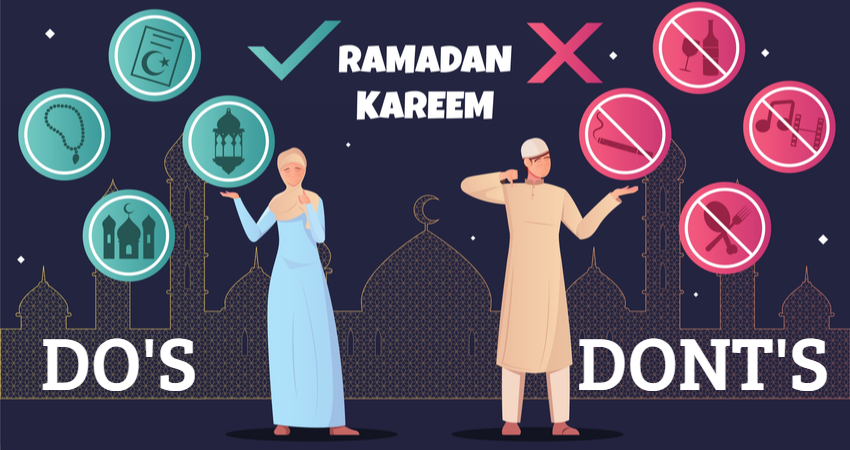
Planning on traveling during Ramadan 2026? Discover the essential dos and don’ts—expert Ramadan travel tips, etiquette for non-Muslims, and cultural insights to travel smarter and more respectfully.
The Moon Has Risen—Is Your Itinerary Ready?
I still remember the moment a café owner in Marrakech quietly placed a glass of water in front of me, then disappeared behind a curtain before I could thank him. It was mid-afternoon during Ramadan. The streets were slower, the air was heavy with anticipation, and I—bleary-eyed from a red-eye flight—had wandered in looking for espresso. What I received instead was something far more valuable: a wordless lesson in grace.
Traveling during Ramadan is unlike any other travel experience on the planet. It is not simply a religious event to be “navigated around” on an itinerary. It is a living, breathing month-long transformation of culture, rhythm, and human connection—one that, if you approach it with curiosity rather than inconvenience, will rewrite the way you see the world.
With Ramadan 2026 expected to begin around February 18–19 and conclude approximately March 19–20 (subject to moon sighting confirmation), tens of millions of travelers will find themselves moving through Muslim-majority countries—Indonesia, Turkey, Morocco, the UAE, Egypt, Pakistan, and beyond—during the holiest month in the Islamic calendar. According to a 2025 trend report from Expedia, bookings into Muslim-majority destinations spike by 30–40% in the weeks flanking Ramadan, driven largely by family reunions and diaspora travel. The post-pandemic surge in mindful, culturally respectful tourism has only amplified this trend.
So, whether you’re flying through Dubai on a layover, road-tripping through Cappadocia, or spending a full month in Jakarta, these five dos and don’ts for Ramadan travel will help you move through the world with sophistication, sensitivity, and genuine human connection.
DO #1: Embrace the Ramadan Schedule—and Plan Accordingly
Let the holy month recalibrate your clock.
One of the most disorienting—and ultimately magical—aspects of Ramadan travel etiquette is the complete inversion of the daily schedule. Muslims fast from dawn (Fajr) to sunset (Maghrib), which means the day’s real energy doesn’t begin until after dark.
During the day, particularly in the Gulf states and North Africa, expect:
- Reduced business hours. Government offices, banks, and many shops in countries like the UAE and Saudi Arabia operate on shortened hours—often 9am–2pm—during Ramadan. Many restaurants operate exclusively for iftar (the sunset fast-breaking meal) and suhoor (the pre-dawn meal).
- Slower service. Staff may be tired or fasting; patience is not just courtesy here—it’s a form of respect.
- Incredible nighttime energy. After iftar, cities like Istanbul, Doha, and Cairo come spectacularly alive. Markets stay open past midnight. Families promenade. Street food stalls serve luqaimat, kunafa, and qatayef in hedonistic quantities.
Pro tip: Book your most important activities—museum visits, guided tours, restaurant reservations—for the post-iftar window (approximately 7–10pm local time). As National Geographic notes, travelers who align with Ramadan’s nocturnal rhythm often describe it as the most immersive cultural experience of their lives.
If you’re flying during Ramadan, be aware that some airlines operating out of Muslim-majority hubs may adjust meal service timings and that airport dining options can be limited during fasting hours. Emirates, Etihad, and Turkish Airlines typically maintain full service, but always verify before departure.
DON’T #1: Eat, Drink, or Smoke in Public During Fasting Hours
This isn’t just about manners—in some countries, it’s the law.
This is perhaps the most critical piece of Ramadan travel etiquette for non-Muslims to internalize. In countries like the UAE, Saudi Arabia, Kuwait, and Qatar, publicly eating, drinking, or smoking during daylight hours of Ramadan can result in fines or even detention. While enforcement varies, the social expectation is universal: respect the fast of those around you.
Even in more liberal Muslim-majority countries where there are no legal penalties—such as Turkey, Morocco, or Indonesia—consuming food visibly in public during fasting hours is considered deeply disrespectful. It’s the cultural equivalent of loudly eating a burger at a funeral.
Practical Ramadan travel tips for non-Muslim visitors:
- Carry a reusable water bottle with a discreet lid and hydrate privately—in hotel rooms, bathrooms, or shaded private spaces.
- Most hotels, malls, and tourist areas in UAE, Qatar, and Bahrain designate screened-off dining areas specifically for non-fasting visitors. Use them without guilt.
- Avoid chewing gum openly—it counts.
- If you are offered food at iftar, it is both a cultural honor and a social invitation. Accept graciously, even if you eat only a little.
Condé Nast Traveler has consistently highlighted the UAE’s nuanced enforcement stance: authorities generally show leniency toward tourists who are clearly unaware, but deliberate public flouting of fasting norms draws sharp community disapproval.
DO #2: Dress More Conservatively Than You Think You Need To
Modesty during Ramadan isn’t a suggestion—it’s a form of solidarity.
Dress codes in Muslim-majority countries are not invented for Ramadan, but they are enforced with greater cultural intensity during the holy month. The general principle is simple: cover more than you normally would.
For women, this means:
- Shoulders covered (no sleeveless tops in public spaces)
- Knees covered (avoid shorts and mini skirts outside tourist resorts)
- Loose-fitting clothes preferred over form-hugging silhouettes
- A light scarf or shawl as a versatile cover-up is invaluable
For men, avoid shirtless public appearances, overly revealing shorts, or beach attire outside of designated resort zones.
In deeply conservative regions—rural Saudi Arabia, parts of Iran, or interior Indonesian provinces—these expectations intensify further. But even in cosmopolitan hubs like Dubai Marina or Istanbul’s Beyoğlu district, dressing with modesty during Ramadan signals cultural literacy and earns a level of social warmth from locals that no guidebook can manufacture.
Lonely Planet’s Ramadan travel guidance frames this elegantly: dressing conservatively is less about following rules and more about communicating respect—a universal language that transcends religion and geography.
DON’T #2: Play Loud Music or Engage in Overtly “Festive” Behavior During the Day
Read the room—then honor it.
Ramadan is a month of reflection, prayer, and spiritual discipline. While the evenings are joyous and community-oriented, the days carry a meditative gravity. Blasting your Spotify playlist from a rental car, rowdily bargaining in a bazaar, or hosting a pool party audible to the street can create genuine offense—even in destinations that are otherwise accommodating of Western tourist behavior.
In cities like Amman, Cairo, or Casablanca, you’ll notice how daytime Ramadan has a particular quality of quiet intensity—a hushed, expectant stillness punctuated by the call to prayer. Many locals describe this silence as sacred.
What to avoid:
- Loud music from personal devices in public or from accommodation balconies
- Boisterous group behavior in public spaces, particularly near mosques
- Aggressive nightlife-seeking during the day (many clubs and bars close or operate restricted hours)
- Excessive displays of public affection, which are already culturally sensitive and heightened during Ramadan
What to lean into instead: Visit quieter attractions—archaeological sites, museums, botanical gardens. These places, often overlooked during peak tourist seasons, reach a kind of sublime emptiness during Ramadan days that professional photographers dream about.
DO #3: Participate in Iftar—Even as an Outsider
The most generous table on earth is set at sunset.
If there is one transformative experience that separates seasoned Ramadan travelers from first-timers, it is sharing iftar. The communal meal that breaks the fast each evening—beginning with dates and water, per the prophetic tradition—is one of the most emotionally resonant dining experiences available to any traveler anywhere in the world.
Hotels across the Middle East, Turkey, and Southeast Asia offer elaborate iftar buffets that are, by design, meant for all guests, Muslim and non-Muslim alike. In 2025, five-star properties in Dubai reportedly saw iftar tent reservations surge by 45% year-on-year, driven significantly by non-Muslim tourists who had read about the experience online, according to data cited by Forbes Travel.
But the most authentic iftar moments come not from five-star tents but from locals. Do not be surprised if a family at a nearby table waves you over. Accept. Sit. Eat. Ask questions. Listen.
Tips for participating respectfully:
- Arrive before sunset to experience the charged, almost electric atmosphere of anticipation
- Don’t begin eating until your hosts do—or until you hear the adhan (call to prayer) marking Maghrib
- Bring a small gift if invited to a private home: sweets, dates, or fresh fruit are universally appropriate
- Ask about the foods; every dish has a story and a name that deserves to be learned
Al Jazeera’s cultural coverage of Ramadan consistently emphasizes that iftar hospitality is one of Islam’s most explicit expressions of community—and welcoming strangers to it is, for many families, a spiritual act in itself.
DON’T #3: Assume Ramadan Will Ruin Your Trip—It Won’t
The greatest travel mistake is the one you make before you board the plane.
This is perhaps the most important don’t on this list, and yet it’s the one least likely to appear in traditional Ramadan etiquette guides. I’ve spoken to hundreds of travelers over the years who nearly canceled trips to Morocco, Jordan, or Malaysia because they read ominous warnings about “limited restaurant hours” and “restricted nightlife.” Nearly every single one of them returned and said the same thing: it was the best trip of my life.
The economic data supports this counterintuitive sentiment. The Economist Intelligence Unit has noted that Ramadan-period tourism in Gulf Cooperation Council countries generates higher per-visitor spending than equivalent non-Ramadan periods—driven by iftar dining experiences, luxury hotel packages, and the concentrated social calendar of the month. Travelers who understand the rhythm spend more intentionally and leave more satisfied.
Yes, some restaurants are closed during the day. Yes, the pace is different. Yes, you may need to adjust your expectations about alcohol availability. But what you receive in return—a front-row seat to one of humanity’s most ancient and beautiful communal rituals—is worth every adaptation.
DO #4: Learn a Few Words and Gestures of Respect
“Ramadan Kareem” will open more doors than any hotel loyalty card.
Language is the fastest shortcut to genuine human connection, and during Ramadan, a handful of phrases can transform you from a tourist into a guest.
- “Ramadan Kareem” (رمضان كريم) — “Generous Ramadan,” a common greeting during the month. The response is “Allahu Akram” (“God is more generous”).
- “Ramadan Mubarak” — “Blessed Ramadan,” equally appropriate and widely used.
- “Shukran” — “Thank you” in Arabic, universally recognized across the Arab world.
In Indonesia, the greeting is “Selamat Ramadhan”; in Turkey, “Ramazan Kareem” or “İyi Ramazanlar.”
Beyond words, small gestures carry enormous weight:
- Lower your voice when passing mosques during prayer times
- Move to the side of the pavement to allow those hurrying to iftar to pass
- If invited into a home, remove your shoes without being asked
- If someone declines a handshake (some observant Muslims avoid opposite-gender contact during Ramadan), meet it with a simple nod and a smile—it is not a rejection, it is a spiritual discipline
AFAR Magazine has reported extensively on how small linguistic gestures during Ramadan have led travelers to unexpected friendships, home-cooked meals, and invitations to events that no tour operator could ever package and sell.
DON’T #4: Negotiate Aggressively or Conduct Transactional Business at Insensitive Times
Timing is the invisible currency of cultural fluency.
Many travelers underestimate how Ramadan reshapes the professional and commercial world. Shopkeepers, guides, and vendors are often physically depleted mid-afternoon. Pushing hard for price negotiation or demanding rapid service at 3pm during a fast is not just poor form—it’s poor strategy. You will get worse results and create unnecessary friction.
The smarter play: conduct any significant purchasing, negotiating, or planning conversations either in the morning (first two hours after sunrise, when energy is still high) or post-iftar, when goodwill and glucose levels have both been restored.
Business meetings—if you’re traveling for professional reasons—should never be scheduled during peak prayer times (especially Dhuhr and Asr during the day, and Maghrib and Isha at sunset). In the GCC, it’s common for workday hours to shift entirely: many professionals arrive at 10am and work until 3pm, then return after iftar for evening meetings that run past midnight.
DO #5: Use Ramadan as a Lens for Deeper Destination Understanding
Travel is not just movement through space—it is movement through meaning.
The most sophisticated Ramadan travel tip I can offer is this: treat the holy month not as an obstacle to overcome but as an interpretive lens that reveals dimensions of your destination invisible in any other season.
In Istanbul, Ramadan illuminates the Ottoman soul of the city—the sultanahmet mosque strung with mahya lights spelling Quranic verses between its minarets, the sound of the davulcu (Ramadan drummer) waking neighborhoods at 3am for suhoor. In Cairo, it reveals the neighborhood solidarity that sustains one of the world’s most densely populated cities. In Kuala Lumpur, it showcases the extraordinary multicultural harmony of a society that has learned, over generations, to celebrate difference without diminishing it.
Ask your hotel concierge about local Ramadan events open to visitors: Quran recitation concerts, charity iftar tables, traditional arts performances, and bazaars (known as pasar Ramadan in Malaysia) that operate only during this month and offer foods you will find nowhere else on Earth.
Practical planning for Ramadan 2026:
- Book iftar restaurant reservations at least 2–3 weeks in advance—demand is extraordinary
- Arrange airport transfers for pre-iftar arrival times if you want to witness the streets come alive
- Purchase travel insurance that covers itinerary flexibility, as Ramadan schedules can shift with moon sighting
- Research prayer time schedules for your specific destination at IslamicFinder.org to plan your daily activities around them
DON’T #5: Photograph People in Prayer or at Intimate Iftar Moments Without Permission
Your Instagram content is not worth someone’s sacred space.
The ethics of travel photography intensify during Ramadan. The month is deeply personal, spiritually charged, and—for those fasting—physically demanding. Pointing a camera at someone mid-prayer, photographing families at their private iftar table, or capturing images of mosque interiors without permission are violations of dignity that no amount of cultural curiosity can justify.
The rule is simple: ask first, always. In Arabic: “Mumkin akhuth surah?” (“May I take a photo?”). In Turkish: “Fotoğraf çekebilir miyim?” In Indonesian: “Boleh foto?”
Most people, when asked with genuine warmth and respect, will say yes—and may even invite you into the frame with them. Some of the most iconic travel photography ever published has come from moments of consensual human connection, not surveillance.
National Geographic’s ethical travel photography standards are worth reviewing before any culturally sensitive journey. The magazine’s photographers consistently emphasize that permission transforms an image from documentation into collaboration—and the latter is always more powerful.
A Final Reflection: The Gift of Ramadan Travel
There is a word in Arabic—barakah—that loosely translates as “blessed abundance,” a kind of divine grace that flows through moments of genuine connection and gratitude. I have felt barakah in very few places as intensely as I have felt it traveling during Ramadan.
The month will slow you down. It will ask things of you—patience, adaptability, a willingness to subordinate your comfort to something larger than yourself. And in doing so, it will give you something that no luxury resort or exclusive tour can manufacture: the lived experience of being welcomed into the human family at its most honest, most vulnerable, and most joyful.
Whether you are a first-time visitor to a Muslim-majority country or a seasoned traveler returning for your tenth Ramadan journey, these dos and don’ts for Ramadan travel are less a checklist than a philosophy. Travel not to consume, but to understand. Not to document, but to participate. Not to merely visit, but to truly arrive.
Ramadan Kareem. May your travels this holy month be as generous as the spirit that defined it.
Quick Reference: Ramadan Travel Dos and Don’ts at a Glance
| DO | DON’T | |
|---|---|---|
| Schedule | Align with Ramadan’s nocturnal rhythm | Book all key activities in mid-afternoon |
| Food & Drink | Eat privately; use designated dining areas | Eat, drink, or smoke publicly during fasting hours |
| Dress | Dress conservatively and modestly | Wear revealing attire in public spaces |
| Behavior | Participate in iftar; learn key phrases | Play loud music or behave boisterously by day |
| Photography | Always ask permission first | Photograph prayer or intimate family moments without consent |
Sources & Further Reading:
- National Geographic — Ramadan Travel Guide
- Lonely Planet — Traveling in Muslim Countries During Ramadan
- AFAR Magazine — Tips for Muslim-Majority Country Travel
- Condé Nast Traveler — Ramadan Etiquette
- Forbes Travel — Ramadan Etiquette for Tourists
- Al Jazeera — Ramadan Culture & Tradition
- IslamicFinder — Prayer Times & Ramadan Calendar